This post is reposted from IFPRI's LinkedIn Post
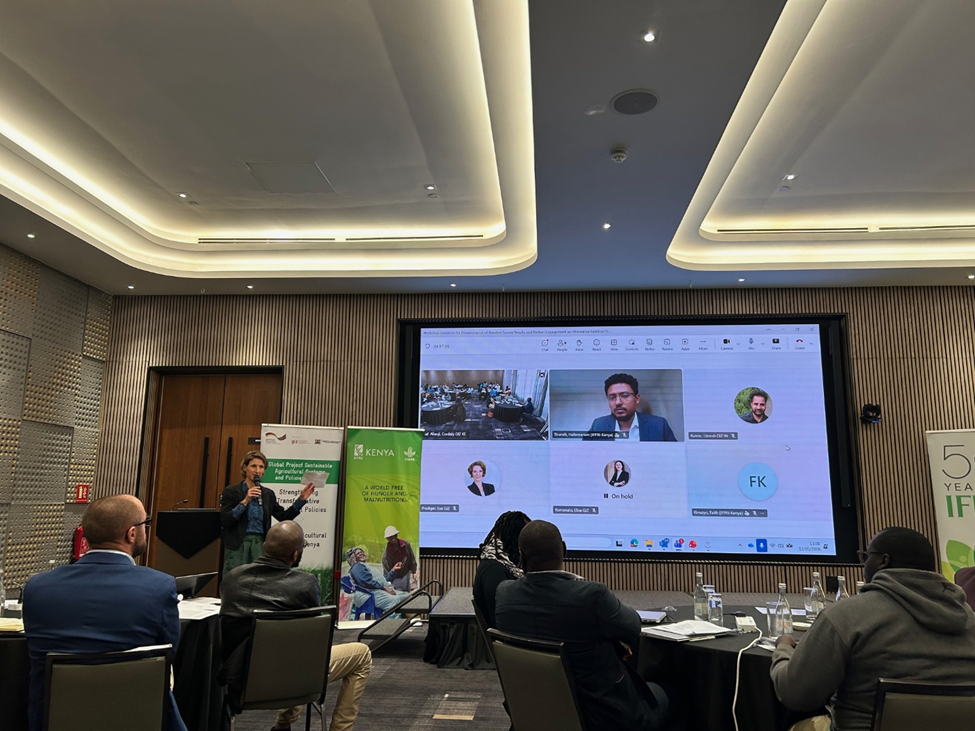
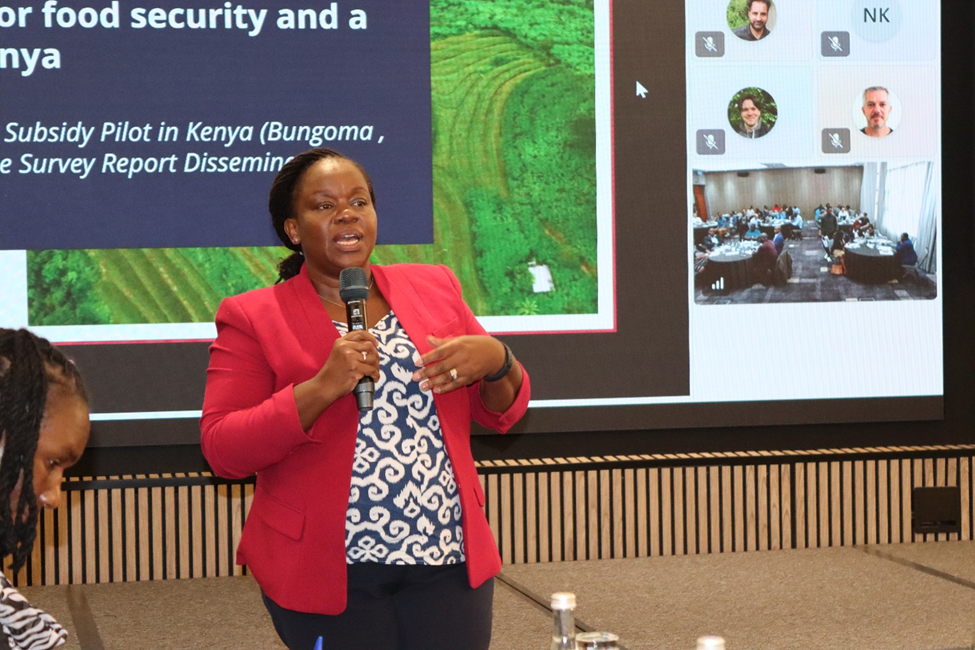
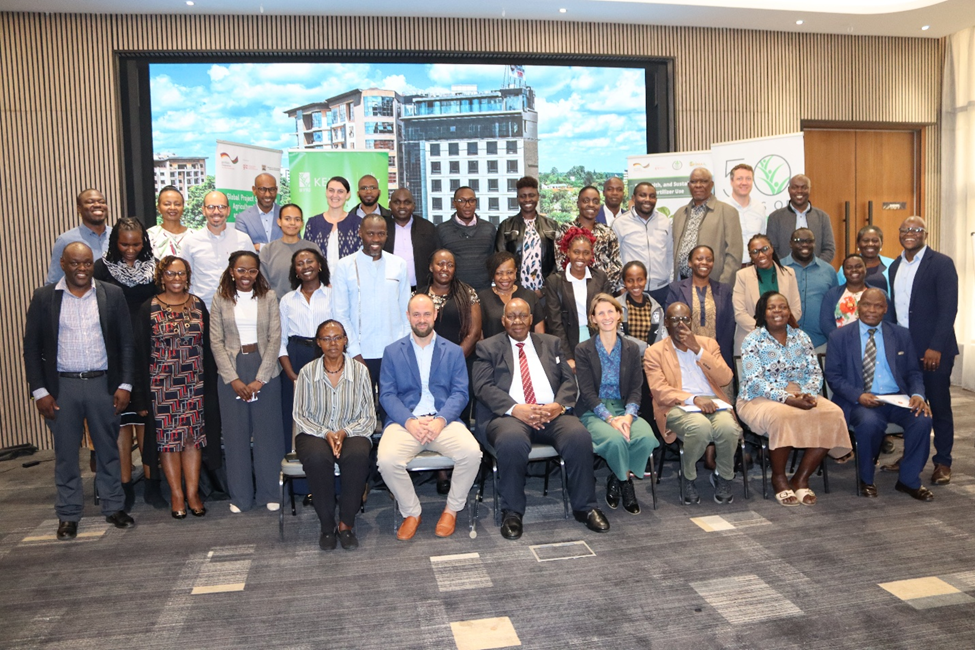
On May 14, 2026, IFPRI and Deutsche Gesellschaft für Internationale Zusammenarbeit (GIZ) GmbH convened a multi-stakeholder workshop on “Reimagining Fertilizer Subsidies: Building Sustainable and Inclusive Models for Kenya’s Agricultural Future.” The event brought together government, county leaders, researchers, development partners, and the private sector to explore more efficient, inclusive, and climate smart fertilizer subsidy systems.
The discussion builds on an ongoing cluster randomized controlled trial across Nakuru, Kakamega, and Bungoma counties, covering 207 villages, 3,105 smallholder households, and 328 agro-dealers. The study compares two subsidy delivery approaches: a mandatory bundled package and a choice based bundled model, both integrated with soil testing, digital e-vouchers, and improved inputs.
Baseline findings show persistent soil nutrient deficiencies (with over 80% of plots phosphorus deficient and about 61% nitrogen deficient) and uneven adoption of climate smart practices despite high awareness. Farmers who are more educated, male headed households, older and with larger land holdings are more likely to receive fertilizer subsidy.
The study offers timely evidence to inform more targeted, efficient, and resilient agricultural support systems that better integrate soil health, digital delivery, and climate smart agriculture.
We are grateful to all partners for the rich exchange and continued commitment to strengthening Kenya’s agricultural transformation.
CGIAR IFPRI Africa Khalid Siddig Dr. Sophia Baumert Hailemariam Ayalew Tiruneh Faith Kimaiyo Confrey Mung'au Alianji, MBA #UdongoNiMali #Agriculture #Kenya #FoodSecurity #ClimateSmartAgriculture #SoilHealth #DigitalAgriculture #FertilizerSubsidies
+5